Sealing Materials
DUPRA FFKM O-Rings
Select the material grade according to temperature, media, pressure or vacuum, plasma conditions, and seal design.
View Product and Selection Information ›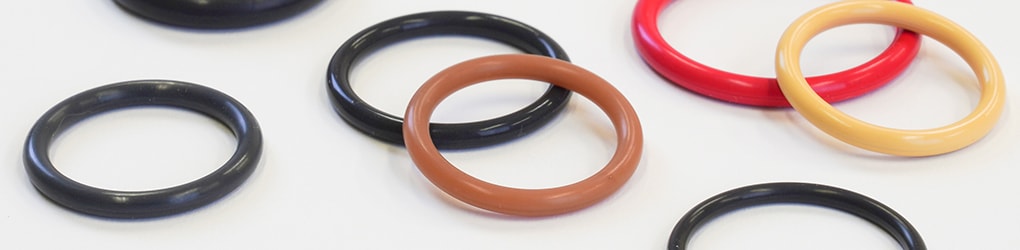

Specialty chemicals · Functional materials
For semiconductors, displays, optical films, home-care packaging, artificial marble molding, and mold maintenance, we support material screening, sample validation, and specification alignment based on product form, application position, process window, and target properties.

Product portfolio
Start with sealing materials, conductive materials, functional films, specialty chemicals, and adhesives, then confirm product identity, supply form, critical control parameters, documentation status, and selection inputs.
Select the material grade according to temperature, media, pressure or vacuum, plasma conditions, and seal design.
View Product and Selection Information ›For ESD protection of device-packaging carriers, display films, and transparent conductive functional coatings.
View Product and Selection Information ›
Confirm the specification by PET thickness, width, sheet resistance, light transmittance, haze, and reliability.
View Product and Selection Information ›Select by dissolution conditions, sealing window, mechanical properties, moisture content, and compatibility with the contents.
View Product and Selection Information ›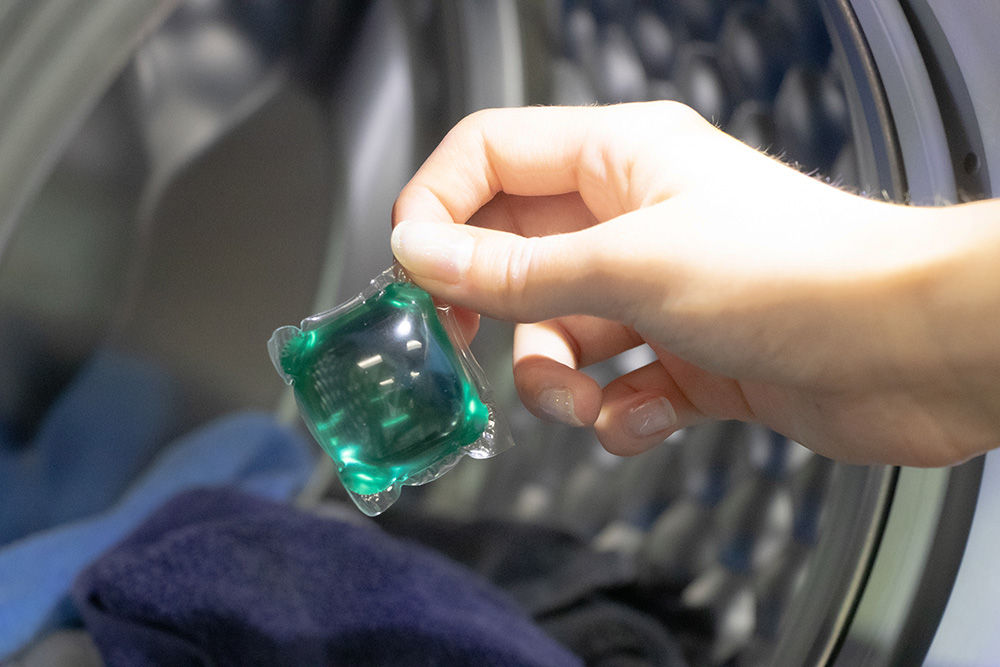
Confirm the specification by thickness, width, forming temperature, shrinkage, release, and surface quality.
View Product and Selection Information ›
Add to an acrylic or polyurethane PSA layer and validate compatibility, migration, and electrical stability.
View Product and Selection Information ›
For applications with PFAS management requirements; any PFAS-free claim must be supported by a declaration or clearly defined analytical scope.
View Product and Selection Information ›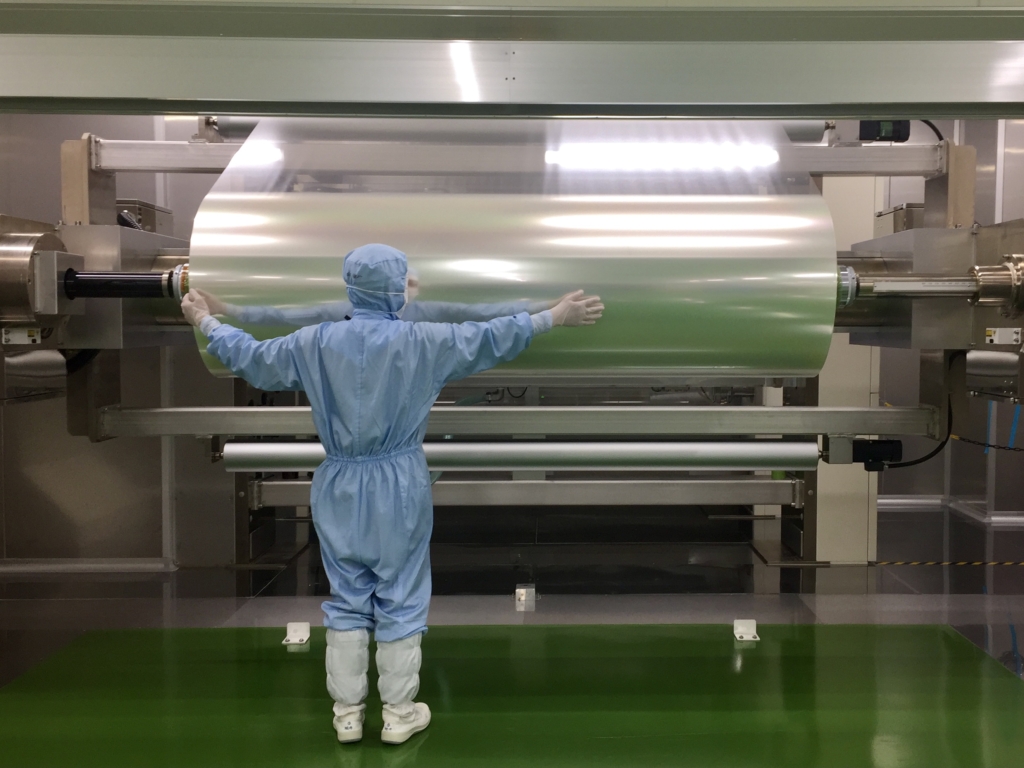
Select by resin, accelerator system, curing route, temperature, gel, and exotherm conditions.
View Product and Selection Information ›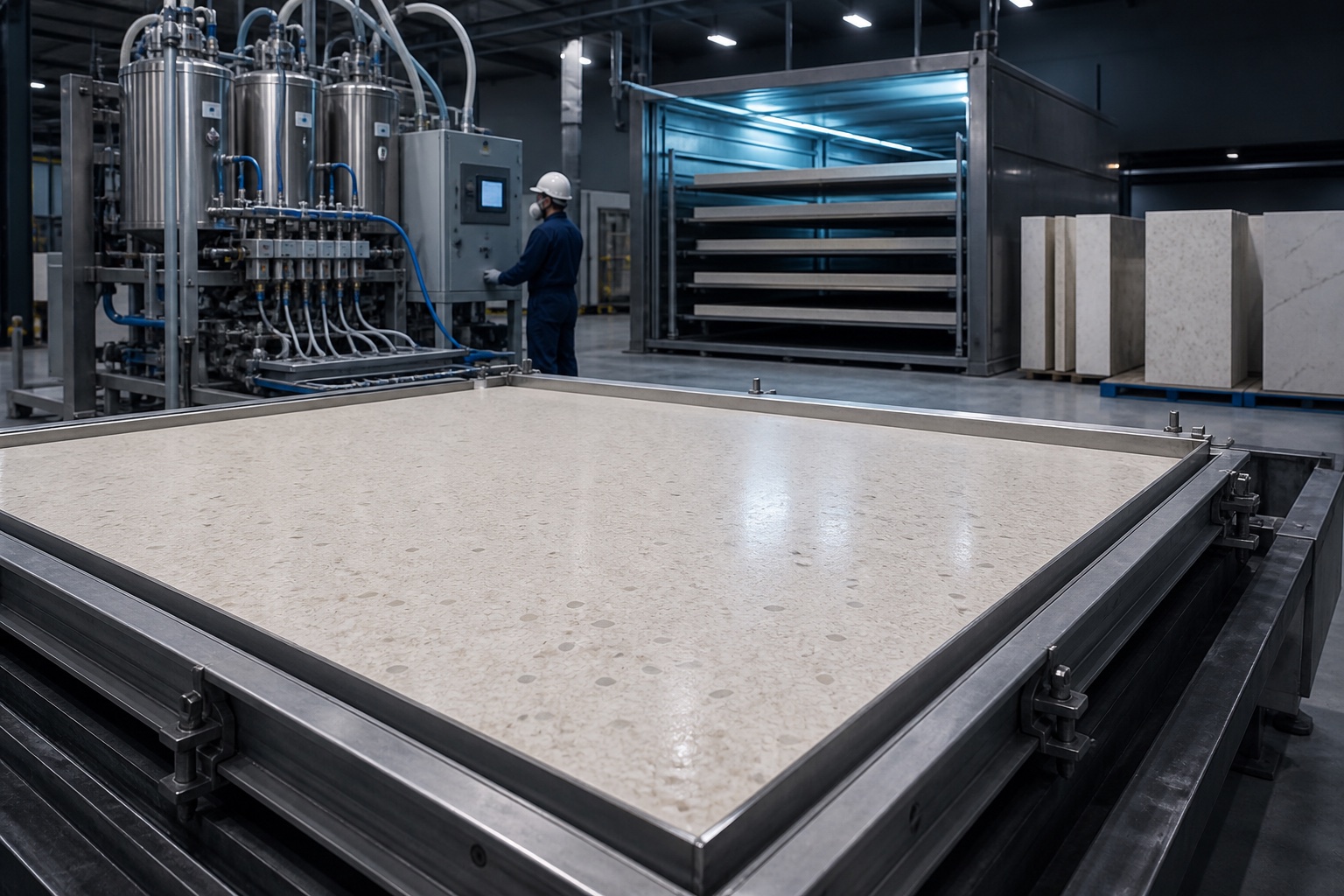
Select by residue type, mold material, coating, cleaning method, and flash-point or VOC limits.
View Product and Selection Information ›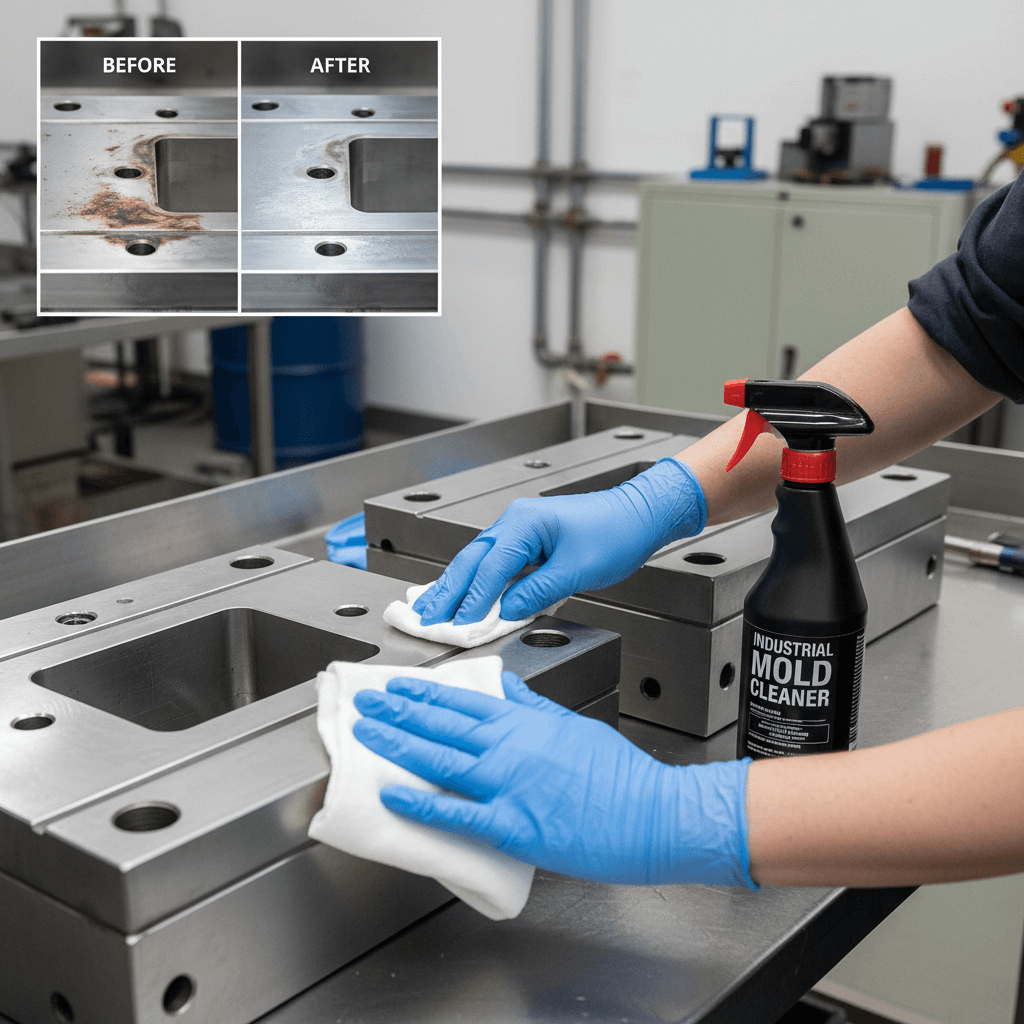
Match by chemistry, substrates, bond-line thickness, light-curing window, and reliability.
View Product and Selection Information ›
Application map
When a specific grade has not yet been selected, first define the industry, application position, contact media, process conditions, target properties, and test method, then narrow the material range for validation.
Select sealing materials around temperature, media, pressure or vacuum, and plasma conditions, and evaluate ESD materials for device-packaging carriers and functional coatings.
View Relevant Products ›Covers transparent conductivity, antistatic PSA layers, and polarizer-related light-curable bonding, with electrical, optical, and reliability test conditions confirmed separately.
View Relevant Products ›Uses a PET base film and PEDOT:PSS functional coating as a transparent conductive electrode substrate, with specifications confirmed by sheet resistance, light transmittance, haze, and reliability.
View Relevant Products ›Select PVOH water-soluble film by dissolution temperature and time, sealing window, mechanical properties, moisture content, and compatibility with the contents.
View Relevant Products ›Confirm the UPR organic-peroxide curing route and PVOH release-film specification separately, then validate temperature, gel, exotherm, shrinkage, and demolding cycle.
View Relevant Products ›Select the product system by residue type, mold steel, coatings, seals, cleaning method, and flash-point or VOC limits.
View Relevant Products ›Technical coordination
VEISSTECH COMPANY LIMITED focuses on specialty chemicals and functional materials. We organize technical interfaces around chemistry, product form, substrates and media, process windows, test methods, and supply specifications so that material screening, sample validation, and introduction conditions remain consistent.
Product & application
Browse by sealing materials, conductive materials, functional films, specialty chemicals, and adhesives. The page distinguishes product information, application references, and items pending validation. Specific specifications and suitability are subject to actual operating conditions, defined test conditions, and formal technical documents.
Select FFKM seals according to material grade, media, temperature, pressure or vacuum, plasma, and seal design.
Select the material grade according to temperature, media, pressure or vacuum, plasma conditions, and seal design.
DAIKIN FINETECH DUPRA is a range of FFKM perfluoroelastomer sealing materials. Individual grades are intended for thermal processes, plasma processes, and chemical cleaning environments. Temperature capability, media compatibility, compression set, outgassing, and plasma performance must be confirmed for the selected grade under the actual operating conditions.
Typical evaluation conditions: LPCVD · oxidation and diffusion · ALD · CVD · etching · ashing · chemical cleaning
Submit Selection InformationChemistryPerfluoroelastomer (FFKM)
Product formO-rings; dimensions confirmed against the seal design
Critical controlsTemperature, media, pressure or vacuum, plasma, and compression set
Documentation statusSubject to the TDS and specification documents for the confirmed grade and size
This page describes only the DUPRA material category, typical evaluation conditions, and selection criteria. Data for one grade are not extended into a guarantee for the entire range, and a single temperature value does not replace an operating-condition assessment.
Please provide continuous and peak temperatures, contact media and concentration, pressure or vacuum, plasma gas and power, inside diameter, cross-section, gland geometry, and static or dynamic service conditions.
Treat PEDOT:PSS conductive polymer dispersions and PET/PEDOT transparent conductive film as two independent product forms.
Select the conductive polymer by specific grade, supply form, substrate, and target electrical properties.
Clevios® PEDOT:PSS is a conductive polymer material range supplied as a water-based dispersion or ready-to-use formulation, depending on grade. Applications include ESD protection for semiconductor-device packaging carriers, display films, transparent conductive coatings, and other functional coatings. Electrical properties, substrate compatibility, and processing methods are subject to the technical documents for the selected grade.
Semiconductor-device packaging carriers · ESD-protective coatings · display films · transparent conductive and functional coatings
Submit Selection InformationConductive polymer application referenceChemistryPEDOT:PSS conductive polymer
Supply formWater-based dispersion or ready-to-use formulation; confirm against the specific Clevios® grade
Critical controlsSolids content, viscosity, sheet resistance or conductivity, adhesion, film formation, and drying conditions
Documentation statusSubject to the TDS, SDS, and application guide for the confirmed grade
This page presents selection directions based on Clevios® material forms and published application ranges. Conductivity, sheet resistance, or coating performance for one grade is not extended into a guarantee for the entire range, and no distribution authorization is implied.
Please provide the application position, substrate, target sheet resistance or conductivity, solids content and viscosity requirements, coating method, wet and dry film thickness, drying conditions, and adhesion and reliability requirements.
A transparent conductive electrode material comprising a PET base film and a PEDOT:PSS functional coating.
This product is a roll film with a PEDOT:PSS conductive polymer coating on a PET base film and can serve as a transparent conductive electrode substrate for smart switchable films. Its product identity, specifications, and performance are managed separately from Clevios® dispersions; it is not a complete smart-film assembly.
Transparent electrodes for smart films · display and functional films · flexible transparent conductive substrates
Submit Selection InformationProduct structurePET base film + PEDOT:PSS functional coating
Supply formRoll-form transparent conductive film
Key specificationsPET thickness, total thickness, width, sheet resistance, light transmittance, and haze
Validation itemsCoating adhesion, flexing, damp heat, and smart-film process compatibility
Documentation statusSubject to the delivered specification, COA items, and sample test results
PET/PEDOT conductive film is an independently processed product. Published Heraeus information is used only to illustrate transparent-conductive PEDOT:PSS applications; it does not state that Heraeus manufactures this film and does not replace the delivered specification or sample testing.
Please provide PET thickness, total thickness, web width, target sheet resistance, light transmittance, haze, coated side, adhesion, flexing and damp-heat reliability requirements, together with the smart-film structure and downstream lamination process.
Differentiate PVOH (PVA) film routes for water-soluble unit-dose packaging and industrial forming release.
Select separately for water-soluble unit-dose packaging and industrial forming release applications.
Polyvinyl alcohol film is commonly called PVA film in the industry; this page uses the more explicit term PVOH (PVA). The range is divided into water-soluble film for laundry pods and industrial release film for artificial stone molding. These applications require different selection criteria for dissolution, sealing, strength, shrinkage, and molding compatibility and should not be assumed to use the same grade.
Single-unit-dose detergent packaging · release film for artificial marble molding
Submit Selection InformationPresented as a general water-soluble film category for laundry pods without specific grades. Selection focuses on cold- or warm-water dissolution, sealing window, tensile and puncture resistance, moisture content, and compatibility with the contents.
Used for separation, release, and surface control during thermoset-resin and artificial stone molding. Key checks include molding temperature, conformability, shrinkage, strength, and surface finish.
ChemistryPolyvinyl alcohol (PVOH, commonly called PVA)
Supply formRoll film
Water-soluble film controlsDissolution temperature and time, sealing window, strength, moisture content, and contents compatibility
Release-film controlsThickness, width, forming temperature, shrinkage, release, and surface quality
Documentation statusActual grade, specification, and inspection items are subject to the TDS, supply specification, and sample validation
Published Kuraray information is used to show that detergent unit-dose water-soluble film and industrial release film are distinct application categories. The images and application information do not state that VEISSTECH supplies Kuraray products; actual supply is subject to the confirmed product specification.
For water-soluble film, please provide dissolution temperature and time, sealing method, contents formulation, and strength requirements. For release film, provide thickness, width, roll length, resin system, forming temperature, shrinkage, and surface requirements.
Includes additive antistatic agents, organic peroxide curing agents, and mold cleaners, with formulation, reaction, and safety interfaces managed separately.
Added to the PSA layer and validated for electrical, optical, and compatibility performance under defined test conditions.
Additive antistatic agents are blended into acrylic or polyurethane PSA and form an antistatic adhesive layer after coating, drying, or curing. Product directions include a fluorinated route and a fluorine-free route for applications with PFAS restrictions. Dosage, carrier compatibility, migration, optical properties, and electrical stability must be validated in the actual formulation and process.
Polarizer PSA · protective-film adhesive layer · acrylic / polyurethane PSA
Submit Selection InformationShows only the process interfaces directly relevant to antistatic-agent selection.
Arranged from the display side to the bonding side.
Display sideAdd to acrylic or polyurethane PSA and validate the formulation for compatibility, optical properties, migration risk, and regulatory requirements.
A fluorine-free formulation route for applications with PFAS management requirements. A PFAS-free claim may be used only when supported by a supplier declaration or a clearly defined analytical scope.
ChemistryAdditive antistatic agent; fluorinated route or fluorine-free route for PFAS-restricted applications
Application positionAcrylic or polyurethane PSA layer
Electrical target4×10⁸–1×10¹⁰ Ω; the test method and environmental conditions must also be fixed
Formulation controlsCarrier, active content, dosage, compatibility, migration, and humidity dependence
Compliance boundaryPFAS-free status is subject to a supplier declaration or clearly defined analytical scope
The process and layer structure on this page identify the PSA application interface; they are not a complete equipment flow or manufacturing specification. The 4×10⁸–1×10¹⁰ Ω range is a target. It is not an unconditional specification until the test method, electrodes, applied voltage, temperature, humidity, and conditioning time are fixed.
Please provide PSA chemistry, solids content, solvent, target surface resistance, test method and environment, dosage, coat weight, light transmittance, haze, peel electrification voltage, migration, and ageing requirements.
Select the organic peroxide system according to resin, cure route, temperature, and target cycle time.
This product direction covers unsaturated polyester resin (UPR)-based artificial stone, polyester engineered stone, and cast products as initiation and curing systems for free-radical polymerization. Selection must consider resin reactivity, accelerator system, filler, ambient and mold temperatures, part thickness, gel time, peak exotherm, and demolding cycle. Non-UPR resin systems require separate evaluation.
UPR artificial stone · polyester engineered stone · unsaturated-polyester cast products
Submit Selection InformationArtificial marble curing-process illustrationSuitable for UPR forming at ambient or lower temperatures. The peroxide, accelerator system, resin reactivity, filler, and on-site temperature must be evaluated together; a fixed dosage ratio must not simply be copied.
Suitable for heated slab or continuous forming. Confirm room-temperature working time, decomposition-temperature range, cure rate after heating, peak exotherm, and demolding cycle.
ChemistryOrganic peroxide initiation / curing system for unsaturated polyester resin
Cure routeAccelerator-activated cold cure (redox) or hot cure (thermal decomposition)
Critical controlsPeroxide type, active oxygen, diluent, gel time, peak exotherm, and degree of cure
Safety parametersStorage temperature, SADT, incompatible materials, container materials, and personal protection are subject to the SDS
Documentation statusThe corresponding TDS, SDS, and validation data under defined formulation conditions must be confirmed before product introduction
The more complete the information, the easier it is to narrow the curing route to a verifiable range.
This product direction is intended for UPR. Vinyl ester, acrylic, and other resin systems require separate confirmation.
Accelerator-activated cold-cure and hot-cure systems typically use different peroxide types, accelerator systems, and process windows.
Working time, peak exotherm, cure rate, and demolding cycle must be balanced together.
Filler loading and condition, pigments, part thickness, ambient temperature, and mold temperature must all be included in formulation testing.
Separate metering and controlled storage are required, with temperature, container materials, and emergency measures managed according to the SDS.
Published information is used only to explain the basic routes for organic-peroxide curing of UPR. Active oxygen, diluent, storage temperature, SADT, dosage, and gel data for a specific product must be confirmed from its TDS and SDS and through formulation testing under defined conditions.
Image: AI-generated illustration of artificial marble casting and curing
Please provide the resin name and pre-accelerated status, fillers and pigments, ambient and mold temperatures, part thickness, target gel and demolding times, and the current curing agent, accelerator, and order of addition.
Select the product system according to residue type, mold material, surface treatment, and cleaning method.
Used to remove accumulated resin, oil, and process residues from mold surfaces, cavities, parting lines, and vent areas. The actual product must identify whether it is solvent- or water-based, along with pH, flash point, VOC, evaporation, and rinsing method, and must be validated for compatibility with mold steel, coatings, seals, and surface treatments.
Mold surfaces · cavities · parting lines · vent-groove residue removal
Submit Selection InformationMold-cleaning application illustrationProduct systemSolvent- or water-based system, pH, and active ingredients must be confirmed for the actual product
Product formLiquid cleaner; appearance, density, and evaporation characteristics are subject to the TDS
CompatibilityMold steel, coatings, surface treatments, seals, and plastic components
Safety controlsFlash point, VOC, ventilation, personal protection, rinsing, and waste-liquid disposal are subject to the SDS
Documentation statusPresented only as an application direction until the actual product TDS, SDS, and material-compatibility data are confirmed
This page confirms only the mold-cleaning application direction and selection fields. External maintenance information identifies typical cleaning areas; it is not performance evidence for a VEISSTECH product. Claims such as low residue or non-corrosive are not used until the actual TDS, SDS, and compatibility data are confirmed.
Please provide the residue type, mold steel or coating, seal materials, cleaning method, whether rinsing is permitted, drying requirements, site ventilation, and limits for flash point, VOC, and residue.
Select by chemistry, bond-line position, substrates, bond-line thickness, light-curing window, and reliability requirements.
Match the adhesive to its chemistry, bond-line position, substrates, bond-line thickness, and light-curing window.
This product direction covers polarizer-related bonding and optical lamination processes. Because a polarizer is a multilayer optical structure, the actual bond-line position and substrates must first be confirmed, followed by adhesive chemistry, viscosity, curing wavelength, irradiance, accumulated energy, bond-line thickness, light transmittance, yellowing, shrinkage, and durability requirements.
Polarizer-related bonding · optical-film lamination · UV/visible light curing
Submit Selection InformationOptical adhesive illustrationChemistryAcrylate, epoxy, and other light-curable chemistries must be confirmed for the actual product
Supply formOne- or multi-component form, appearance, and viscosity are subject to the TDS
Curing windowWavelength, irradiance, accumulated energy, exposure time, and bond-line thickness
Optical controlsLight transmittance, haze, yellowing, and volumetric shrinkage
ReliabilitySubstrate adhesion, peel, damp heat, thermal cycling, and post-ageing performance
This page confirms only the application direction and selection fields for light-curable adhesives used in polarizer processes. Dymax information is referenced only for the optical-display bonding category; it does not state that VEISSTECH supplies Dymax products and does not replace the actual product TDS, SDS, or interlayer reliability validation.
Image: optical adhesive application illustration
Please provide the actual bond-line position, substrates on both sides, bond-line thickness, viscosity range, curing wavelength, irradiance and accumulated energy, together with light transmittance, haze, yellowing, shrinkage, peel strength, and damp-heat reliability requirements.
Technical discipline
Distinguish specification values, typical values, application references, and items pending validation so that a single data point is not expanded into an unconditional guarantee.
Fix the substrate, formulation, process, specimen condition, test method, and environment so results remain comparable.
Align validation and volume introduction through samples, technical documents, supply specifications, inspection items, and change information.
About VEISSTECH
The VEISSTECH name reflects connection, structure, collaboration, thought, insight, and innovation. We organize product information by material system and application conditions and support sample validation, technical documentation, supply specifications, and project coordination.
Application inquiry
Please describe the product direction, application position, substrate or media, process conditions, target properties, and test method. More complete information helps narrow the material range and arrange sample validation.
01Product and application position
02Substrate or contact media
03Temperature, time, and process
04Target properties and test method
05Current material and issue
06Specification, quantity, and validation plan